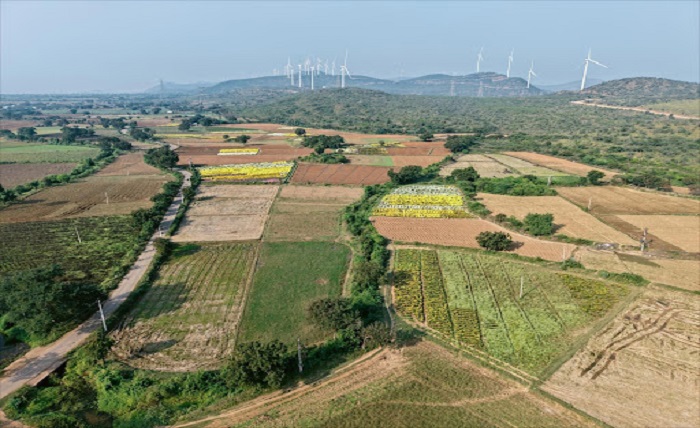
A property transfer in rural Gujarat rarely ends on the day the sale deed is signed. The paper changes hands, the money moves, and yet the village record can stay silent for weeks or months. Families who assume the mutation is automatic often discover the gap only when they apply for a loan or a subsidy.
The Quiet Distance Between a Sale Deed and a Mutation Entry
Registration of a sale deed at the sub-registrar office and mutation in the village revenue record are two separate events handled by two separate offices. The first records the transaction; the second updates who is listed as the current holder in the 7/12 or 8A extract.
Talatis and circle officers process mutation queues alongside inheritance cases, boundary disputes, and government scheme verifications, so a straightforward transfer can still wait behind heavier files.
Rural readers sometimes unwind the wait with unrelated leisure, whether that means an evening cricket match on television or, for adult users in states where such platforms are accessible, a casual round on something like jili fortune garuda 500 between chores, and the routine work at the tehsil office continues on its own timetable.
Below are the structural reasons the update takes longer than people expect. For the official portal reference, the state maintains records through the Revenue Department AnyROR portal, which is the primary point where the updated entry eventually surfaces.
Where the Mutation Process Actually Slows Down
The mutation cycle has three checkpoints that consume most of the calendar time. Knowing which stage a file is stuck at usually explains the entire delay.
Application Intake at the Talati Level
Once the sale deed is registered, the sub-registrar forwards a copy to the village talati, but the applicant is still expected to submit a formal mutation request with supporting documents. If the buyer assumes the office will act on the deed alone, the file never opens. Missing identity proof, an old survey number reference, or an unclear boundary description also sends the request back for correction.
Notice Period and Objection Window
After entry, the mutation is displayed for public objection for a statutory period, usually thirty days. Neighbours, co-sharers, or claimants can file an objection during this window, which pauses certification. In villages with joint family holdings or unpartitioned ancestral land, at least one objection is common and each one triggers a hearing.
Verification and Certification by the Circle Officer
The circle officer verifies the entry, examines objections if any, and then certifies the mutation. Field visits get postponed during monsoon, election duty, and revenue survey drives. A single missing signature can send the file back to the talati and restart part of the queue.
Practical Checks a Landowner Can Make
Most delays become shorter once the applicant treats mutation as an active follow-up rather than a background task. A short checklist keeps the conversation focused.
- Confirm that the sub-registrar office has forwarded the registered deed to the correct village talati within the same revenue circle.
- Ask which mutation entry number has been assigned and note the date of the public notice.
- Keep photocopies of the sale deed, index-II, identity proof, and previous 7/12 extract ready for resubmission.
- Track the online record every two to three weeks so a stalled entry is caught early.
- If an objection is filed, request a written copy so the response can be prepared before the hearing date.
For a wider view of how land records are being digitised across Indian states, the official DILRMP programme portal offers useful context.
Reading the Delay as Part of the Record System
The village record is slow by design because it protects more than one interest at a time. The notice window exists so that a distant co-heir or an old lessee is not written out of the register by a private transaction. The verification stage exists so that a wrong survey number does not permanently disturb a neighbour’s boundary. When the wait is understood in those terms, the delay stops feeling arbitrary and starts looking like the cost of a shared register that many families rely on for inheritance, credit, and dispute resolution across generations.