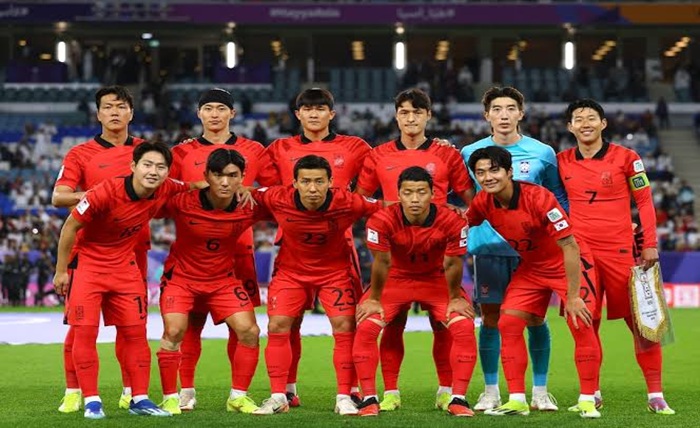
Japan: The Benchmark of Modern Asian Football
Japan has established itself as one of the most respected football nations in Asia and across the world. The country’s football development model has become an example for many emerging football nations. Through long-term investment in youth academies, coaching education, and professional league structures, Japan has consistently produced talented players who succeed both domestically and internationally. Fans around the world recognize Japanese football for its discipline, tactical awareness, and technical quality.
The popularity of Japanese football continues to grow as more players join elite European clubs. This global exposure has enhanced the country’s reputation and strengthened its influence on international football discussions. Many football enthusiasts who follow international competitions through platforms such as 789bet often recognize Japan as a leading representative of Asian football excellence.
Key Factors Behind Japan’s Reputation
- Strong youth development systems.
- Competitive domestic professional league.
- Consistent FIFA World Cup appearances.
- Large number of players competing in Europe.
- Excellent football infrastructure and coaching standards.
South Korea: A Legacy of Passion and Consistency
South Korea has earned global respect through decades of consistent performances on the international stage. The nation’s football culture is deeply rooted, with passionate supporters and a strong commitment to player development. South Korea gained worldwide recognition after its remarkable run to the semifinals of the 2002 FIFA World Cup, a historic achievement for Asian football.
Since then, the country has continued to produce world-class players who perform at the highest levels of European football. South Korean teams are known for their work ethic, speed, and competitive spirit. These characteristics have helped maintain the nation’s strong reputation among football fans worldwide.
Reasons South Korea Stands Out
- Rich history of World Cup participation.
- Globally recognized football stars.
- High-intensity playing style.
- Strong domestic league structure.
- Dedicated fan culture and national support.
Saudi Arabia: Rising Influence on the Global Stage
Saudi Arabia has become one of Asia’s most influential football nations. The country has invested heavily in football development, infrastructure, and professional competitions. In recent years, Saudi football has attracted worldwide attention through ambitious projects and significant improvements in league quality.
The national team has also delivered memorable performances against some of the world’s strongest sides. Such achievements have elevated Saudi Arabia’s status and demonstrated that Asian football can compete with elite international opponents. The growing visibility of Saudi football continues to strengthen its global reputation.
Elements Driving Saudi Arabia’s Growth
- Significant investment in football development.
- Improved domestic league competitiveness.
- Growing international media coverage.
- Enhanced training facilities and resources.
- Strong commitment to long-term football success.
Iran: A Football Powerhouse With Strong Traditions
Iran remains one of the most respected football nations in Asia. The country’s football history is filled with success, including multiple continental achievements and regular appearances in major international tournaments. Iranian football is known for producing technically skilled players and highly organized teams.
The national team consistently ranks among Asia’s strongest sides, earning respect from opponents across different continents. Iranian clubs have also performed well in regional competitions, helping maintain the country’s football prestige. The combination of tradition, talent, and competitive consistency continues to define Iran’s strong reputation.
Strengths of Iranian Football
- Long history of international success.
- Talented and technically gifted players.
- Strong domestic football culture.
- Consistent qualification for major tournaments.
- Competitive performances against top teams.
Australia: Combining Asian Competition With Global Experience
Although geographically distinct from much of Asia, Australia has become a major force within the Asian football landscape. Since joining the Asian football confederation, Australia has contributed significantly to raising the level of competition across the region. The country’s football structure benefits from extensive international experience and strong athletic development programs.
Australian teams are recognized for their physical strength, tactical flexibility, and resilience. Participation in both regional and global competitions has allowed Australia to build a reputation that extends well beyond Asia. As a result, the nation remains one of the most respected football powers associated with the continent.
Factors Supporting Australia’s Reputation
- Extensive international football experience.
- Strong athlete development pathways.
- Competitive domestic competitions.
- Success in continental tournaments.
- Professional coaching and management systems.
Qatar: Rapid Development and International Recognition
Qatar has experienced one of the most remarkable football transformations in modern history. Through strategic planning and substantial investment, the country has developed a football system capable of competing with Asia’s elite nations. Hosting major international tournaments further increased Qatar’s visibility and credibility in world football.
The success of the national team has attracted significant attention from fans worldwide. Many supporters who follow football news, match analysis, and services such as 789bet đăng nhập have observed Qatar’s rapid rise as a respected football nation. The country’s commitment to long-term development continues to strengthen its international standing.
Reasons for Qatar’s Growing Reputation
- Modern football infrastructure.
- Comprehensive youth development programs.
- Strong national team performances.
- Increased global exposure through major events.
- Continuous investment in football innovation.
China: Enormous Potential and Expanding Global Presence
China possesses one of the largest football markets in the world. While international success has not always matched expectations, the country’s influence on global football continues to expand. Significant investments in academies, facilities, and professional clubs have created a foundation for future growth.
China’s football ambitions have attracted international coaches, players, and experts who contribute to the development of the sport. The size of the nation’s fan base and commercial market ensures that Chinese football remains an important part of global football conversations. As development efforts continue, China’s reputation is expected to grow further.
Areas Supporting China’s Football Growth
- Massive football audience and market.
- Increasing investment in youth programs.
- Modern training facilities.
- International partnerships and expertise.
- Long-term commitment to football development.
Why These Asian Football Teams Continue to Build the Strongest Global Reputation and Shape the Future of International Football
Asian football has undergone tremendous growth over the past several decades. Nations such as Japan, South Korea, Saudi Arabia, Iran, Australia, Qatar, and China have each contributed to the continent’s rising influence on the global stage. Their success stems from different strengths, including youth development, infrastructure investment, competitive leagues, international exposure, and strong football cultures.
These teams have proven that Asian football is capable of competing with established football powers from other regions. Their achievements inspire future generations of players while attracting greater international attention to the continent. As football continues to evolve, these nations are likely to remain key contributors to the sport’s global development and reputation.
Common Characteristics of Globally Respected Asian Teams
- Commitment to long-term football development.
- Investment in coaching and player education.
- Competitive domestic league structures.
- Strong international tournament performances.
- Growing influence within global football communities.