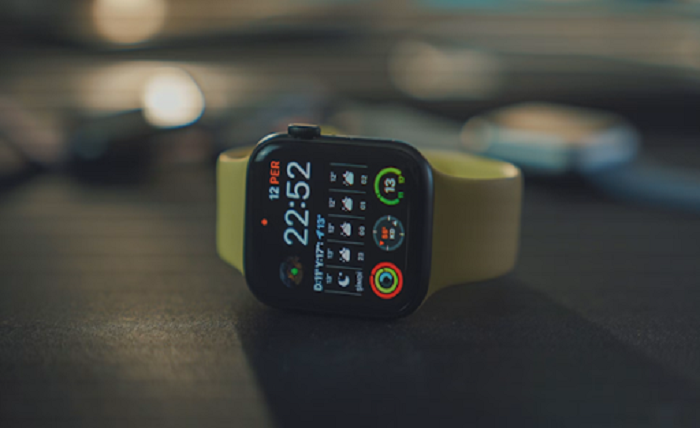
Interest in wearable tech keeps rising, and companies now court runners, cyclists, swimmers, and lifters with promises of real-time data and faster gains. A slim screen on the wrist claims to replace notebooks, heart-rate straps, and even interval timers. Between hill repeats or pool laps, glancing at live metrics feels empowering. During recovery minutes a tap can also launch a quick distraction such as online chicken road 2, showing how sport and casual play blend inside one device. The question remains whether these screens deliver training breakthroughs or simply add another notification stream.
Data Capture Has Never Been Easier
Heart-rate zones once required bulky chest straps. Modern optical sensors illuminate the skin and sample blood-flow patterns hundreds of times per second. GPS chips the size of rice grains trace route lines, and barometric altimeters record every stair climbed. When paired with cloud dashboards, a full season of workouts converts into colorful charts that highlight plateau periods or fatigue spikes.
Motion sensors now track wrist angle with surprising precision. Strength programs benefit when curl tempo or push-up depth appears on a smartphone minutes after the set. Coaches who manage dozens of athletes pull nightly reports to adjust volume before soreness becomes an injury. Compared with manual logs, the difference feels similar to trading paper maps for satellite navigation.
Where Smartwatches Truly Shine
- Instant feedback loops[Text Wrapping Break]Pace alerts vibrate the wrist the moment speed drifts, guiding tempo runs without constant clock checks.
- Customized recovery cues[Text Wrapping Break]Heart-rate variability scores analyzed each morning suggest when to push or hold back, reducing overtraining risk.
- Automatic workout detection[Text Wrapping Break]The device recognizes swim strokes or bike segments, labeling sessions for later review without button presses.
- Safety features[Text Wrapping Break]Fall detection and location sharing add peace of mind during long solo trail routes.
Numbers Alone Do Not Guarantee Progress
Data quantity can overwhelm. A dashboard filled with resting heart rate, stride length, lactate threshold estimates, and sleep cycles tempts the novice to chase every variable at once. Experienced coaches warn that too much tinkering harms consistency. The watch excels at measurement yet cannot replace structured periodization or solid technique drills.
Accuracy also varies. Optical sensors struggle in cold mornings when blood flow drops. GPS tracks misbehave between tall buildings. Calibration improves yearly but remains imperfect. Blind faith in every value risks misguided pacing or nutrition choices.
Screen size limits detailed review in real time. Lap splits appear tiny during interval spikes, forcing the athlete to squint or break form. Post-session analysis on a larger display still matters, which means an ecosystem subscription often follows the hardware purchase. Added fees contribute to the total cost that marketing rarely advertises.
Gender and Skin Tone Research Gaps
Studies show sensor performance differs across pigment levels and body hair density. Manufacturers work on algorithms that compensate, yet transparency on validation remains limited. Until peer-reviewed data covers diverse populations, certain athletes must verify watch values against trusted lab equipment.
Comfort also influences adoption. A snug fit boosts optical accuracy but can cause chafing during heat waves. Interchangeable straps and silicone linings help, yet trial periods prove valuable before long-term commitment.
Smart Shopping Guide for Budget and Goals
- Define primary metric[Text Wrapping Break]Runners focused on pace can skip multisport models with extra swimming modes.
- Check battery endurance[Text Wrapping Break]Ultra events demand watches lasting over twenty hours with GPS active.
- Evaluate ecosystem lock-in[Text Wrapping Break]Platforms that export to standard file types ease future device switches.
- Prioritize screen readability[Text Wrapping Break]Transflective displays beat AMOLED under midday sun, though indoor contrast may drop.
Psychological Impact on Training Culture
Constant numbers shift conversation inside clubs. Athletes share weekly mileage screenshots instead of verbal recaps. Friendly rivalry grows, yet comparison stress appears when graphs plateau. Coaches encourage rest day digital detox to keep motivation intrinsic rather than algorithm driven.
Celebration rituals evolve too. Setting a new personal best triggers animated fireworks on the watch face, creating instant reward loops. This gamification mirrors achievement badges in online platforms, nudging consistent attendance but risking addictive behavior if unchecked.
Environmental and Ethical Considerations
Annual model cycles encourage frequent upgrades. Discarded lithium batteries and rare metals raise sustainability concerns. Some brands introduce trade-in credits and recycled-plastic casings. Long-term firmware support minimizes hardware churn, yet consumer patience often wanes once new sensors headline marketing campaigns.
Final Verdict
Modern smartwatches offer undeniable value for athletes seeking structured guidance and safety. Instant data shortens the gap between effort and insight, turning each run or lift into a small experiment with clear results. Limitations persist in sensor accuracy, potential information overload, and continual cost through subscriptions or upgrades. Treated as a focused assistant rather than an all-knowing coach, the device enhances performance and accountability. Ignored metrics and unchecked upgrade urges, however, render the gadget an expensive toy. In the balance of disciplined use and critical thinking, the smartwatch proves a genuine training tool rather than mere hype.